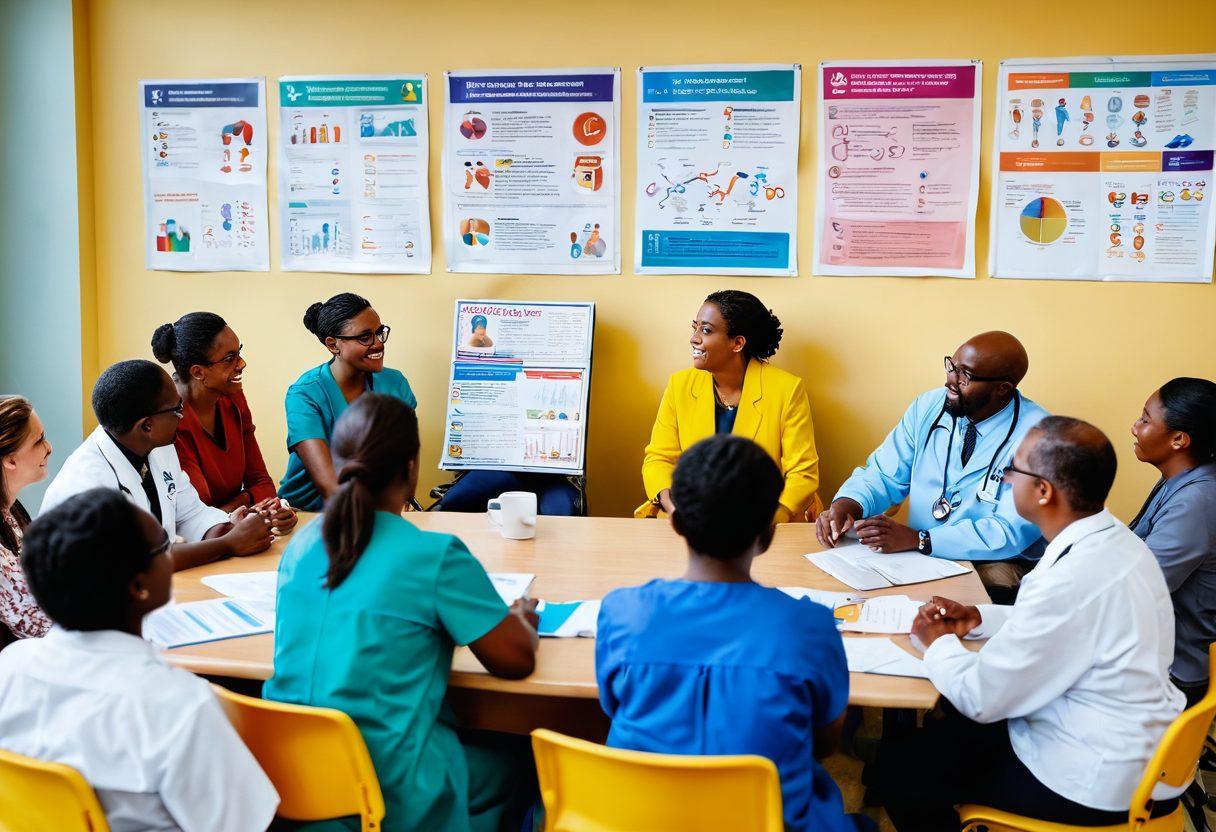
Navigating the Ethical Landscape of Oncology and Renal Failure: A Patient-Centric Approach to Treatment and Care
In the realm of oncology and renal failure, the journey toward wellness is often fraught with ethical dilemmas that can leave patients and healthcare providers grappling with tough questions. What truly constitutes patient rights when faced with malignancy and chronic disease? How do we navigate moral landscapes in the urgency for effective therapy options, and what role does patient support play in ensuring that these rights are upheld? These compelling questions strike at the heart of medical care, urging us to reflect on the delicate balance between bioethics and the dire need for innovative kidney treatment and advanced oncology therapies.
As new scientific studies and clinical research continually reshape our understanding of tumor growth, malignancy management, and renal failure, we must remember that at the center of it all is the patient. Every treatment decision has implications beyond mere efficacy; it carries with it the weight of human lives, relationships, and aspirations. Mark Twain once said, 'The secret of getting ahead is getting started.' In the context of health services, this means starting with a robust patient advocacy framework that empowers patients to understand their condition, the therapy options available, and their rights as individuals navigating a complex healthcare system.
Prioritizing patient rights entails more than just acknowledging their existence; it requires active engagement in health advocacy and patient education. When individuals seeking kidney treatment or facing oncology challenges feel informed and supported, they are more likely to be involved in their care decisions. Imagine the impact of a healthcare system where every patient is a partner in their own healing journey—where every voice matters, and every fear can be addressed openly. By fostering a community support environment, we create a ripple effect of awareness, empathy, and solidarity.
In practical terms, this approach involves developing educational resources that clarify patients' rights, treatment choices, and the broader healthcare landscape. How well are health services tailored to meet the needs of diverse populations facing chronic disease? Are we doing enough to equip patients with the knowledge they need to navigate their wellness journey with confidence? These issues call for a multidisciplinary collaboration among healthcare providers, bioethicists, and advocacy groups to ensure that when confronting malignancy or renal failure, patients are not just passive recipients of care but empowered advocates for their own health.
Ultimately, prioritizing patient rights in oncology and kidney care isn't just an ethical obligation—it's a transformative element of medical care that can change lives. As we embrace the complexity of bioethics and strive to improve the quality of patient education, let us remember that our collective goal is not just to treat diseases but to nurture human dignity. The road to better kidney treatment and effective oncology therapies may be challenging, but through shared values, community support, and a commitment to patient rights, we can pave the way for a healthier tomorrow.
Balancing Treatment Options: Navigating Challenges in Chronic Disease Management
In the intricate world of health services, balancing treatment options for chronic diseases can often feel like walking a tightrope. As patients navigate through oncology for tumor-related malignancies or grapple with the complexities of renal failure, they are enveloped in a multitude of choices. These choices are not merely clinical decisions; they are steeped in moral and bioethical questions that can be daunting at best. How do we prioritize patient rights and wellness while ensuring effective medicinal treatment? This is the challenge healthcare providers and patients face, and understanding it requires a deeper dive into the heart of chronic disease management.
Consider the journey of Elaine, a vibrant woman in her fifties, who found out she had a malignant tumor while simultaneously battling early-stage renal failure. Elaine's story is a testament to the tangled webs that chronic disease can weave. At every turn, she was confronted with therapy options that seemed to pull her in different directions. How could she pursue effective cancer treatment without jeopardizing her kidney health? This question resonates with many patients who find themselves caught between different treatment modalities. Each decision could mean the difference between life, death, and quality of life.
The dilemma extends beyond individual cases like Elaine's, touching on clinical research and scientific studies that aim to enhance our understanding of cancer treatment in patients with renal failure. While evidence-based practices continue to evolve, healthcare professionals must also consider the unique circumstances and preferences of each patient. Health advocacy plays a crucial role here, as communities rally to support patients in navigating this ethical landscape. Through patient education, individuals become empowered to advocate for themselves, ensuring that their voices are heard in discussions about their treatment and care.
However, despite the importance of patient support, the healthcare system often faces challenges that can hinder progress. Access to comprehensive health services, particularly in underprivileged areas, raises questions about equity and fairness in medical care. For patients like Elaine, who rely on community support and wellness programs, discrepancies in access can translate into disparities in outcomes. How do we ensure that every person, regardless of their background, has the opportunity to receive the best possible care for their chronic diseases? This is a call for action that resonates within the halls of health policy and ethical discourse.
Ultimately, finding the balance between treatment options in chronic disease management is not just a medical issue; it’s a human one. As we continue to explore the complexities of oncology and renal failure, we must anchor our approach to patient-centric care, one that honors individual desires and champion patient rights. By fostering dialogue around moral responsibilities and community involvement, we empower ourselves to write more inclusive health narratives that resonate deeply with every patient. As we reflect on these conversations, let’s ask ourselves: how are we contributing to a future where patients feel supported in their health journey?
Empowering Patients through Education: The Role of Advocacy in Oncology and Renal Health
In the intricate world of healthcare, where lives hang in the balance of decision-making, patient empowerment becomes a beacon of hope. When dealing with conditions like oncology-related malignancies and renal failure, navigating treatment can feel overwhelming. But what if there was a way for patients to reclaim control over their health journey? Empowering patients through education is not just an ideal; it’s an essential component of effective health services. Today, let’s explore how advocacy can reshape the landscape of oncology and renal health, ensuring that patients are not merely recipients of care but active participants in their wellness journey.
Imagine being faced with a serious health diagnosis, such as a tumor. It's a moment filled with confusion and fear, where individuals often feel vulnerable and powerless. However, education is the key to unlocking the door of understanding. Patients equipped with knowledge about their condition can make informed decisions about their therapy options and medicinal treatment plans. In this complex arena of chronic diseases, our ability to ask questions—'What are my treatment options?' or 'What are the latest scientific studies on my condition?'—is not just a right, but a necessity. As the renowned author Maya Angelou beautifully put it, 'Nothing will work unless you do.' This rings especially true in the context of health advocacy.
Advocacy in healthcare is about more than simple awareness; it is about creating a community of support that fosters patient education and empowers individuals to voice their rights. For those battling renal failure or navigating the complexities of oncology, connecting with patient support groups and engaging in clinical research can offer invaluable insights. These connections provide not just information but emotional backing—reminders that the journey is not solitary. By sharing experiences and insights in these communities, patients are not only able to support one another, but they also learn about promising therapies and emerging treatments that might apply to their situation. It’s truly a collective fight against illness.
The importance of bioethics also cannot be overstated in the discussion of patients' rights. As we advocate for more patient-centric health services, ethical considerations guide the interactions between healthcare providers and patients. The moral implications of medical care and the respectful treatment of individuals facing serious diseases like malignancy or kidney treatment deserve our utmost focus. Patients must feel safe and respected while navigating their treatment options, empowered to advocate for their own needs and preferences. After all, it's about treating the whole person, not just the disease.
As we reflect on the role of advocacy in oncology and renal health, it’s clear that education serves as the cornerstone of empowerment. The journey is complex, filled with tough choices and critical discussions, but patients have the right to be informed and supported. By seeking out knowledge, engaging in community support, and advocating for their medical rights, patients can take charge of their health narrative. It’s time to shift the paradigm towards a more inclusive approach to healthcare, where doses of education transform patients into empowered allies in their treatment journey. After all, in the words of Edward Everett Hale, 'I am only one, but still I am one. I cannot do everything, but still I can do something. And because I cannot do everything, I will not refuse to do the something that I can.'